Conservative & Minimally Invasive Dentistry
What is conservative dentistry and minimally invasive dentistry?
Conservative and minimally invasive dentistry are two terms that describe the same goals:
Saving natural tooth structure
Protecting pulp vitality
Please note that, in many cases, removing tooth structure is the most conservative option. Minimally invasive dentistry does not advocate for leaving pathologies like caries and cracks, as they can pose greater risks to the tooth and overall health if left untreated. The most conservative treatment option is early detection through twice-annual cleanings and exams, and proactive treatment if pathologies are found.

How minimally invasive dentistry saves natural tooth structure
Traditional dentistry often relies on retention to hold (retain) the restoration to your tooth. This requires teeth to be cut to a specific shape, regardless of where the pathologies are. In the example of a full-coverage crown, teeth are cut to a domed shape for the crown, leaving little natural tooth structure behind.
Minimally invasive dentistry saves natural tooth structure by only removing tooth structure around the pathology or tooth structure that impairs the ability to fully treat the pathology. This offers a more customized approach to treating your tooth based on its needs, made possible by advanced adhesion instead of traditional retention approaches.
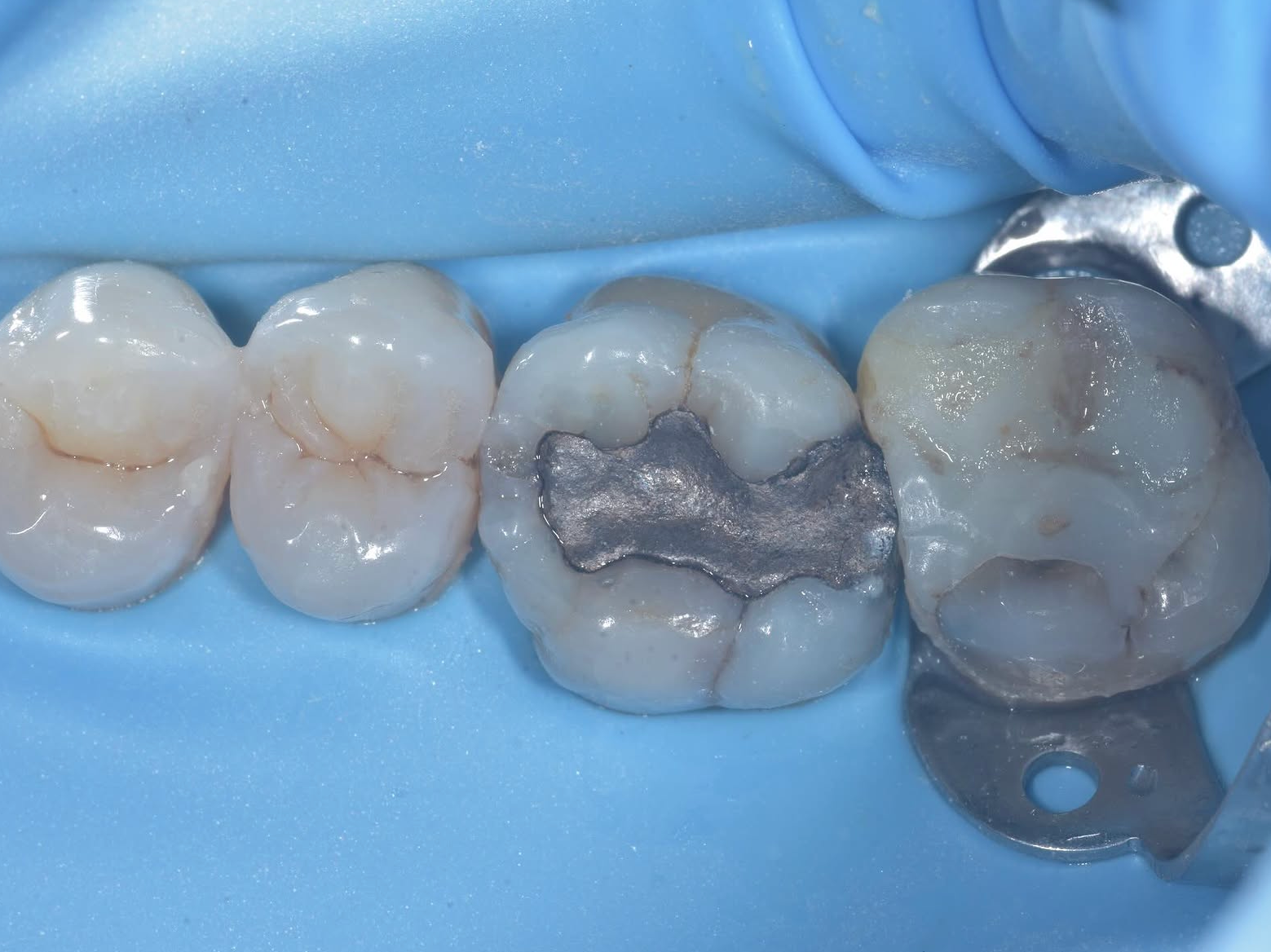
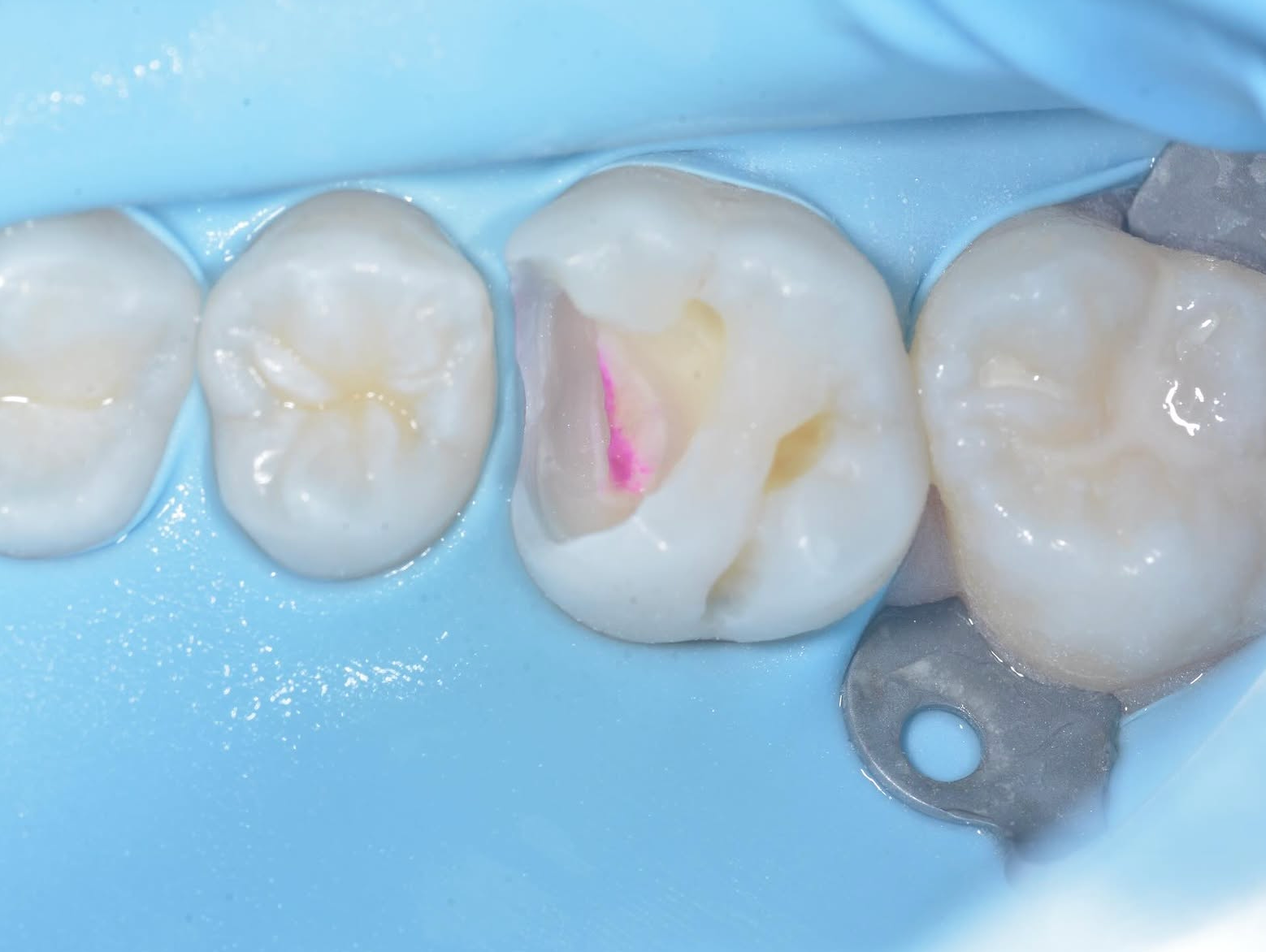
These cases show the difference between traditional dentistry, which uses retention form, and biomimetic dentistry, which only removes tooth structure required to treat the pathology.
Cases by Dr. David Alleman, DMD
Protecting pulp vitality with conservative dentistry
Vital teeth are more resilient to infection and cracks, so maintaining your tooth’s vitality (preventing root canal therapy) promotes a longer lifespan for your tooth. At Alleman Dental, we prevent root canal therapy by identifying and treating pathologies early and sealing your tooth to prevent reinfection, giving the pulp a chance to heal.
Teeth will lose vitality (die) when they are unable to withstand infection. This comes from decay (caries) that enters the tooth through a carious lesion or a crack. Conservative dentistry aims to protect pulp vitality by preventing caries and cracks and treating pathologies early to minimize loss of tooth structure. Biomimetic restorative dentistry takes this a step further by bonding to your tooth at a strength that blocks bacteria from entering under the restoration and supports the tooth to prevent cracks from forming. This biomimetic bond protects your tooth’s long-term health.
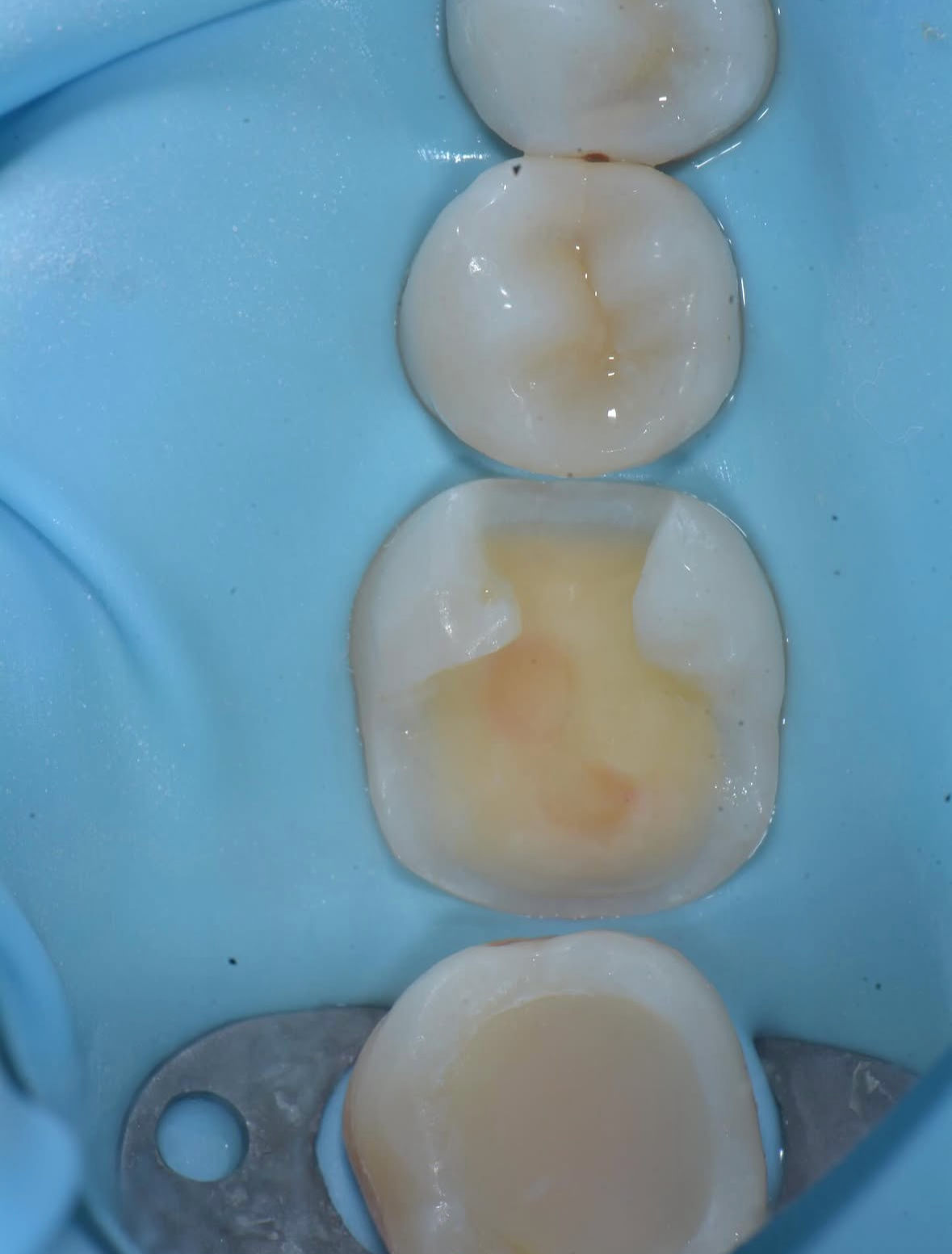
This tooth is fully sealed and bonded, protecting it from bacteria and cracks. Case by Dr. Davey Alleman, DMD.
Is biomimetic dentistry minimally invasive?
Yes! Biomimetic dentistry shares the goals of conserving tooth structure and pulp vitality. This does not mean that all minimally invasive dentistry is biomimetic. Biomimetic means to mimic nature, so restored teeth mimic the form and function of a natural tooth. Biomimetic restorative dentistry outlines critical tooth structure in the tooth that is essential to the tooth’s natural function. When possible, this structure is conserved to maintain natural function. When these areas of the tooth are affected by pathologies, biomimetic restorative protocols restore the tooth to natural function.
In addition to conserving critical tooth structure and sealing the tooth to prevent reinfection, biomimetic dentistry uses advanced adhesive techniques and materials to restore your tooth so that the restoration and natural tooth structure function as a cohesive unit. This ensures a long-lasting bond, with restorations lasting 20 years and counting.
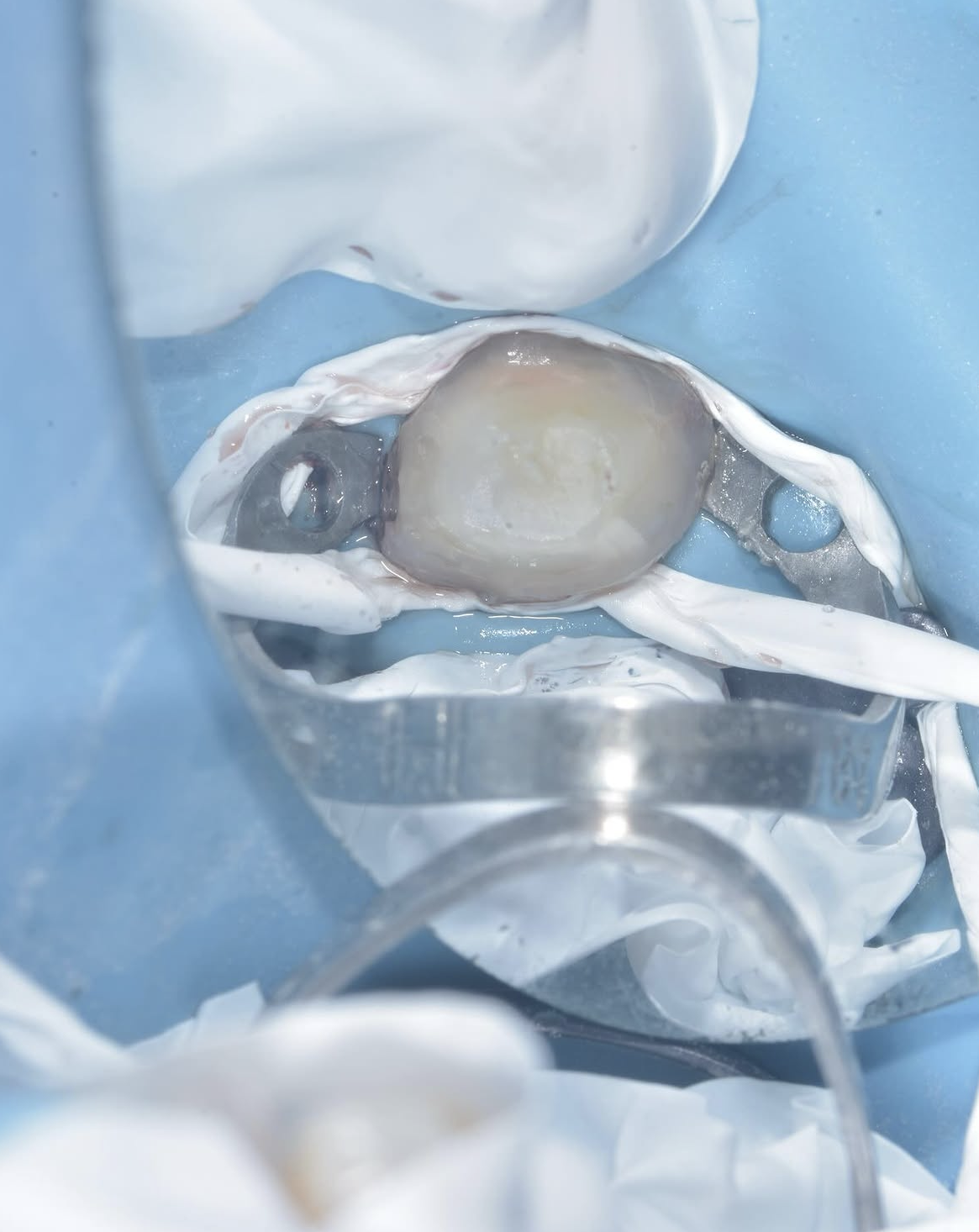
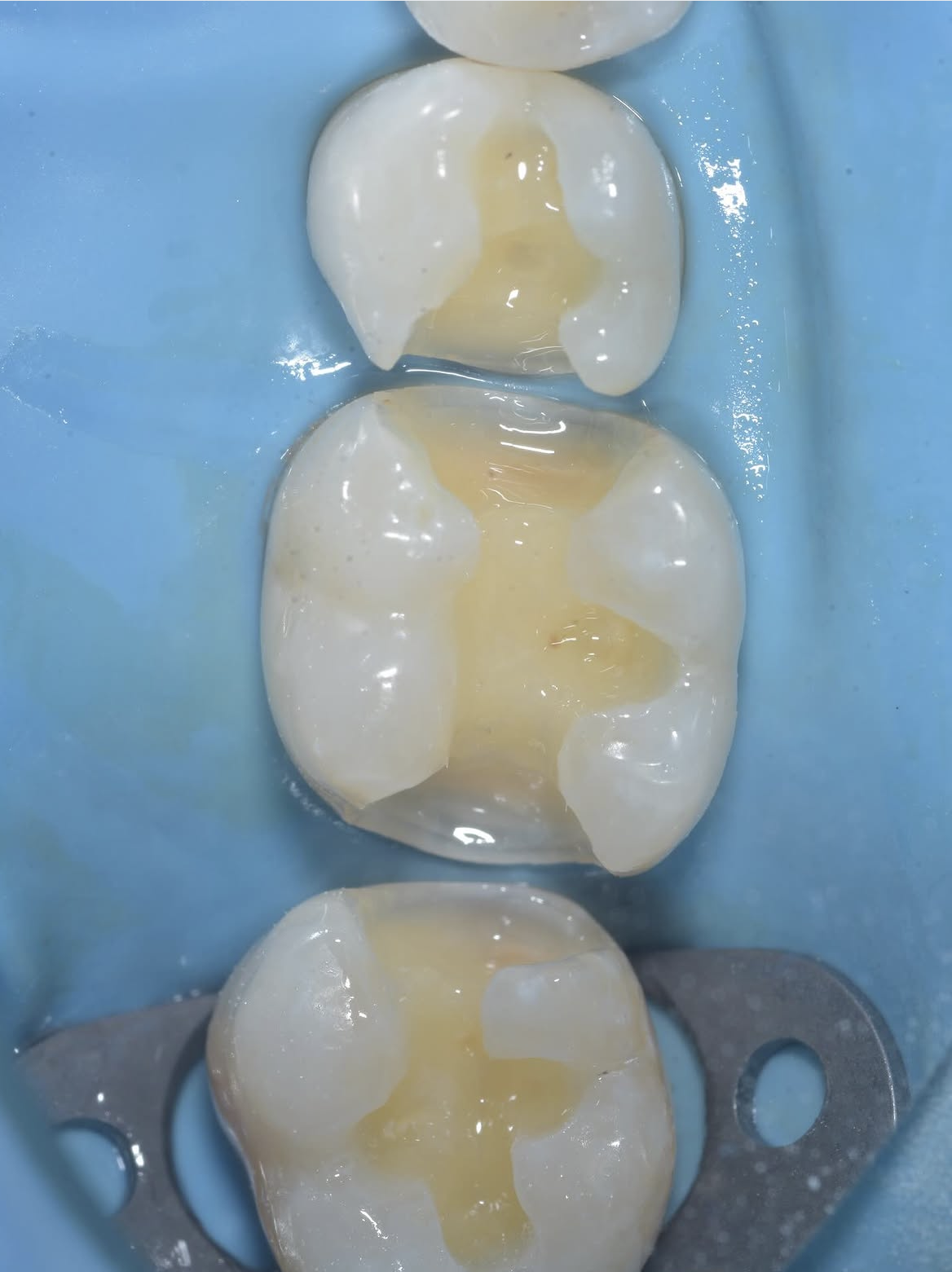
This first photo shows how much tooth structure is left under a traditional crown. The second shows biomimetic restorations that would typically be recommended for crowns in a traditional office. At Alleman Dental, our advanced adhesive protocols allow us to conserve more tooth structure by bonding to your healthy tooth structure. Cases by Dr. Davey Alleman, DMD.
Become an Alleman Dental Patient
Schedule your appointment online
Contact our patient care coordinator, Sheila, to learn more about our personalized dental care
Request an online treatment consultation with Dr. Alleman
Information for out of town patients
Learn more about membership plans, billing and insurance