How we create longer-lasting restorations
Caries (decay) treatment
We standardize caries treatment with a material called caries detector dye. Traditional techniques use a tool called an explorer to feel where decay has softened dental tissue. Caries detector dye becomes trapped in fibers broken down by decay to show exactly where it is and should be removed throughout the tooth. Bonding to decayed portions of your tooth reduces the bond strength, so standardized caries treatment is the first step in a long-lasting restoration.
(Below) A study testing explorer caries treatment vs caries detector dye treatment found that 59% of clinicians using an explorer left caries behind.

Anderson M, Charbeneau G. A comparison of digital and optical criteria for detecting carious dentin. J Prosth Dent. 1985;53(5): 643-646.
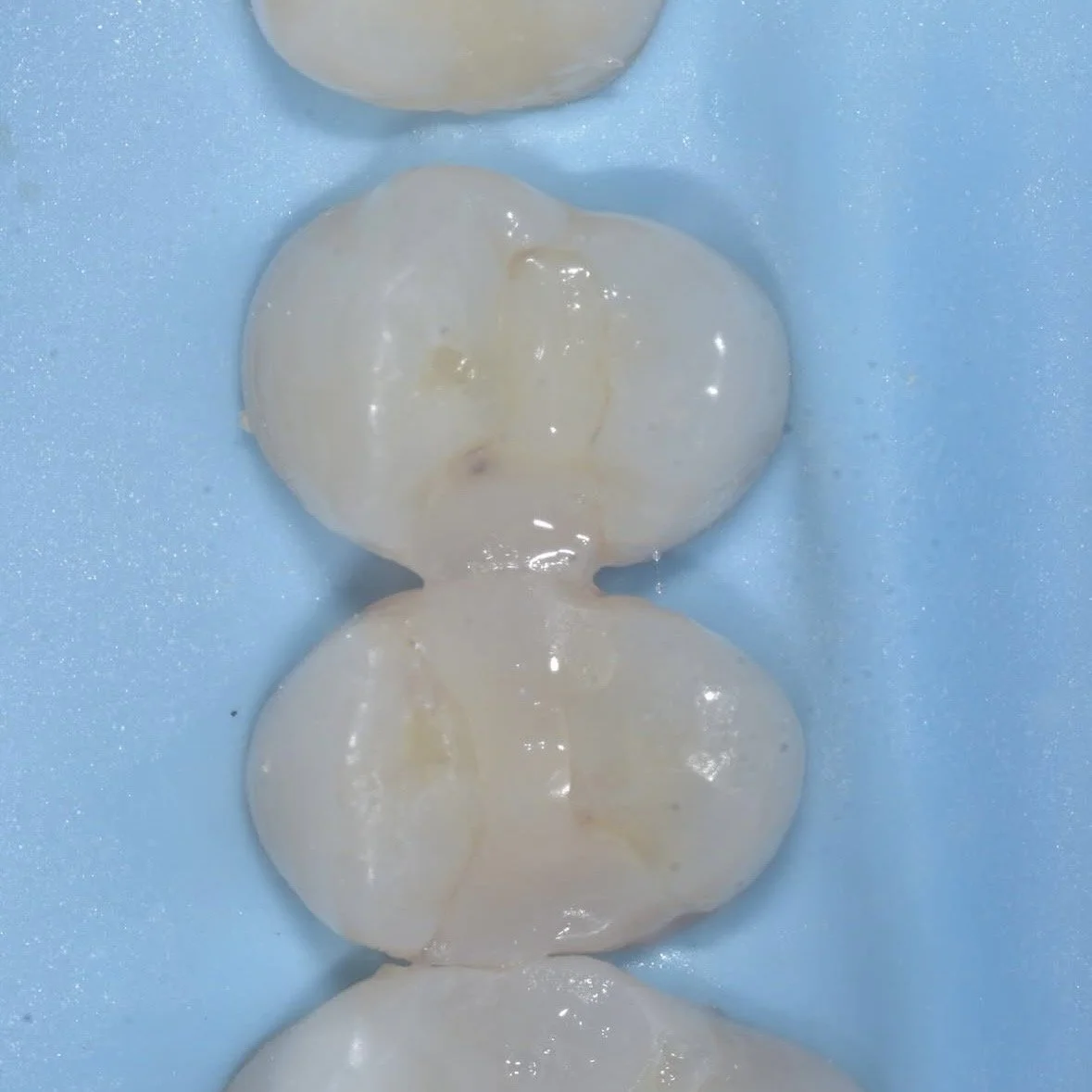
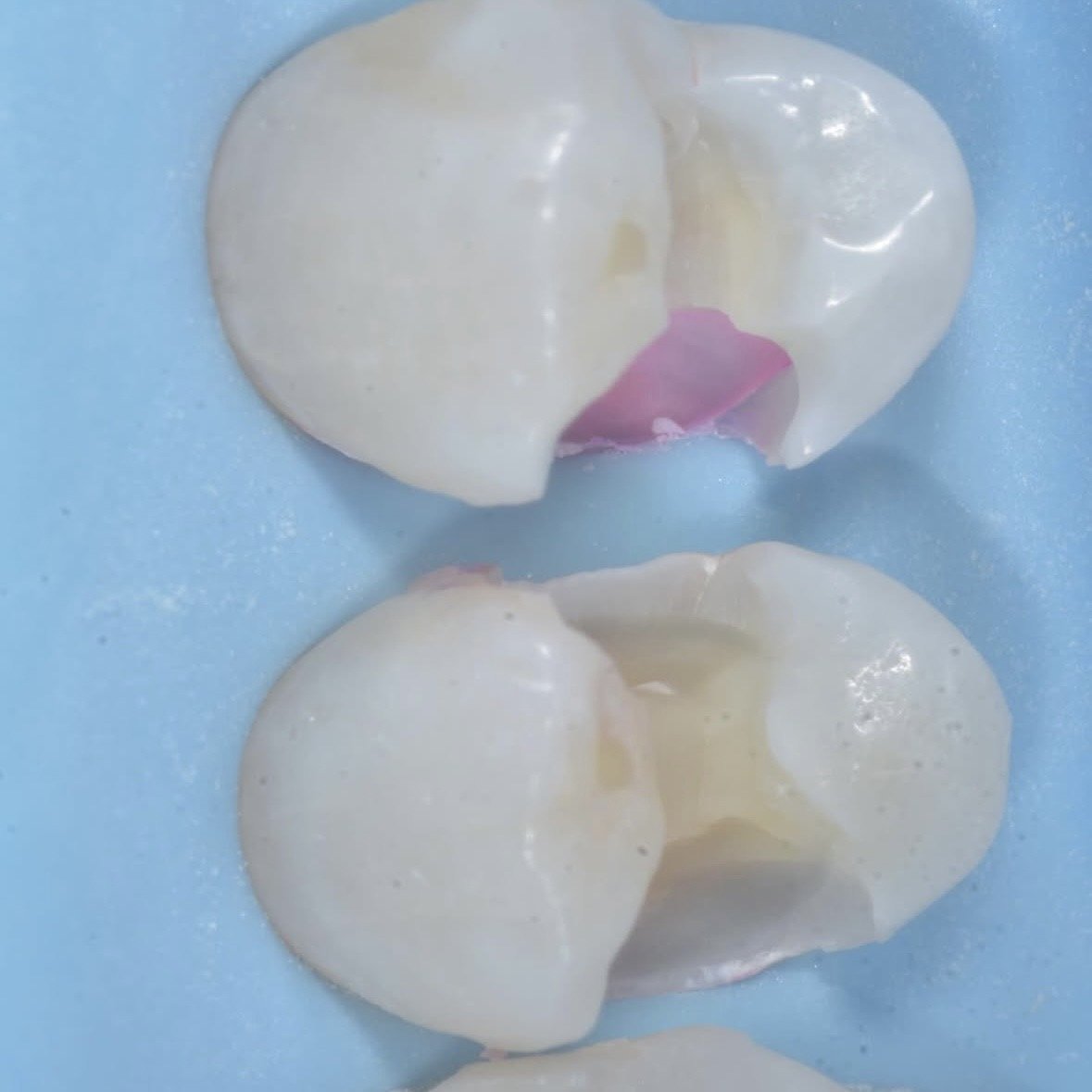
After the old restoration is removed, caries detector dye stains pink where degraded tooth structure is present. Case by Dr. Davey Alleman, DMD.
Crack treatment
Cracks continue to grow over time, even when the top is bonded. Engineers have known this for decades but most dentists still do not understand this. We remove cracks entirely where it is safe to do so, eliminating sensitivity caused by the crack and potential failure of your restoration or tooth as the crack continues to grow. We also use protocols to diagnose cracks earlier, conserving more of your natural tooth.
This video from Alleman Center teaching slides demonstrates the findings in Rodriguez J, Dover W, Brennan F Casellanos A. Fracture Mechanics Analysis of Fatigue Crack Repaired Joints. J of Offshore Mechanics and Arctic Engineering. 2005; 127:182-189.
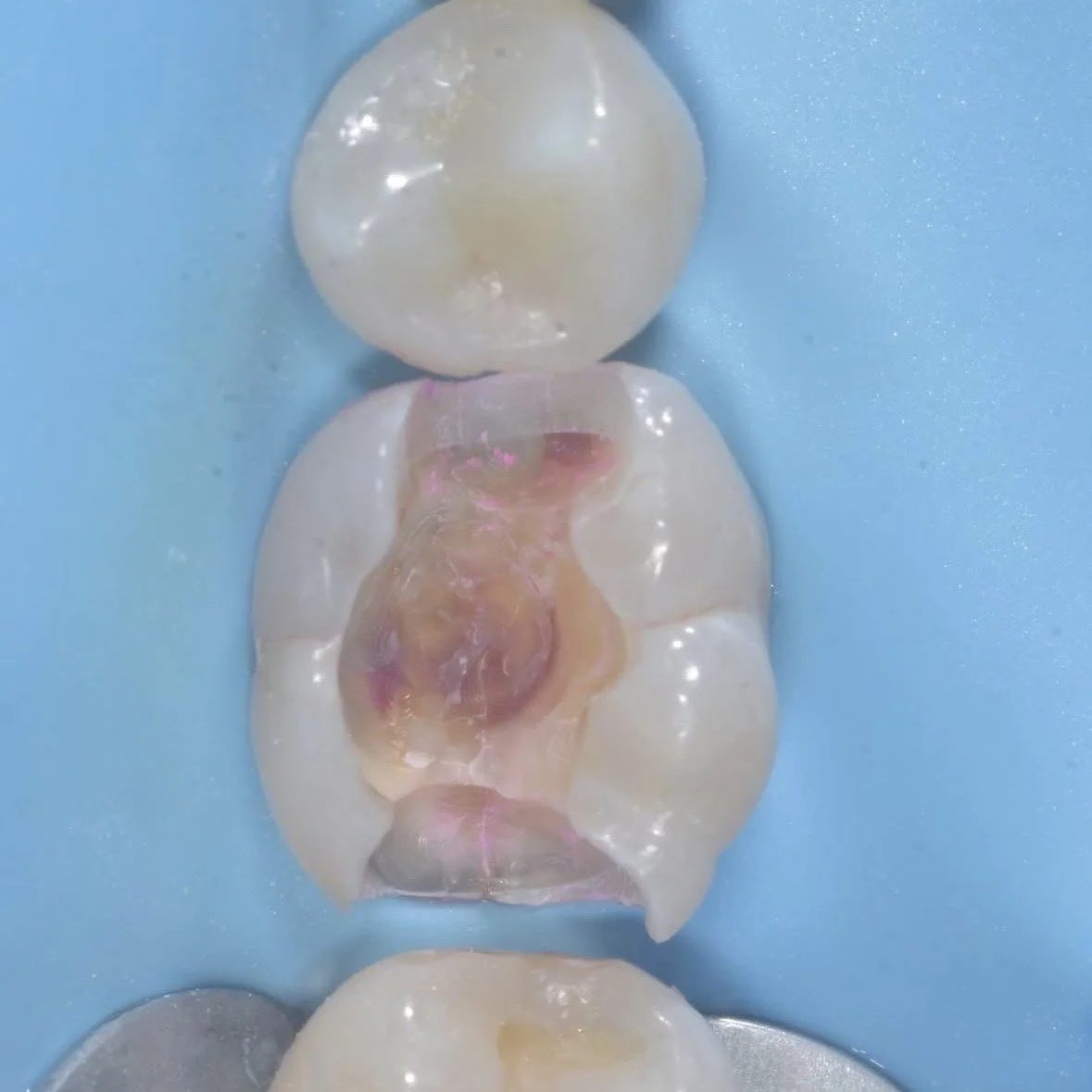
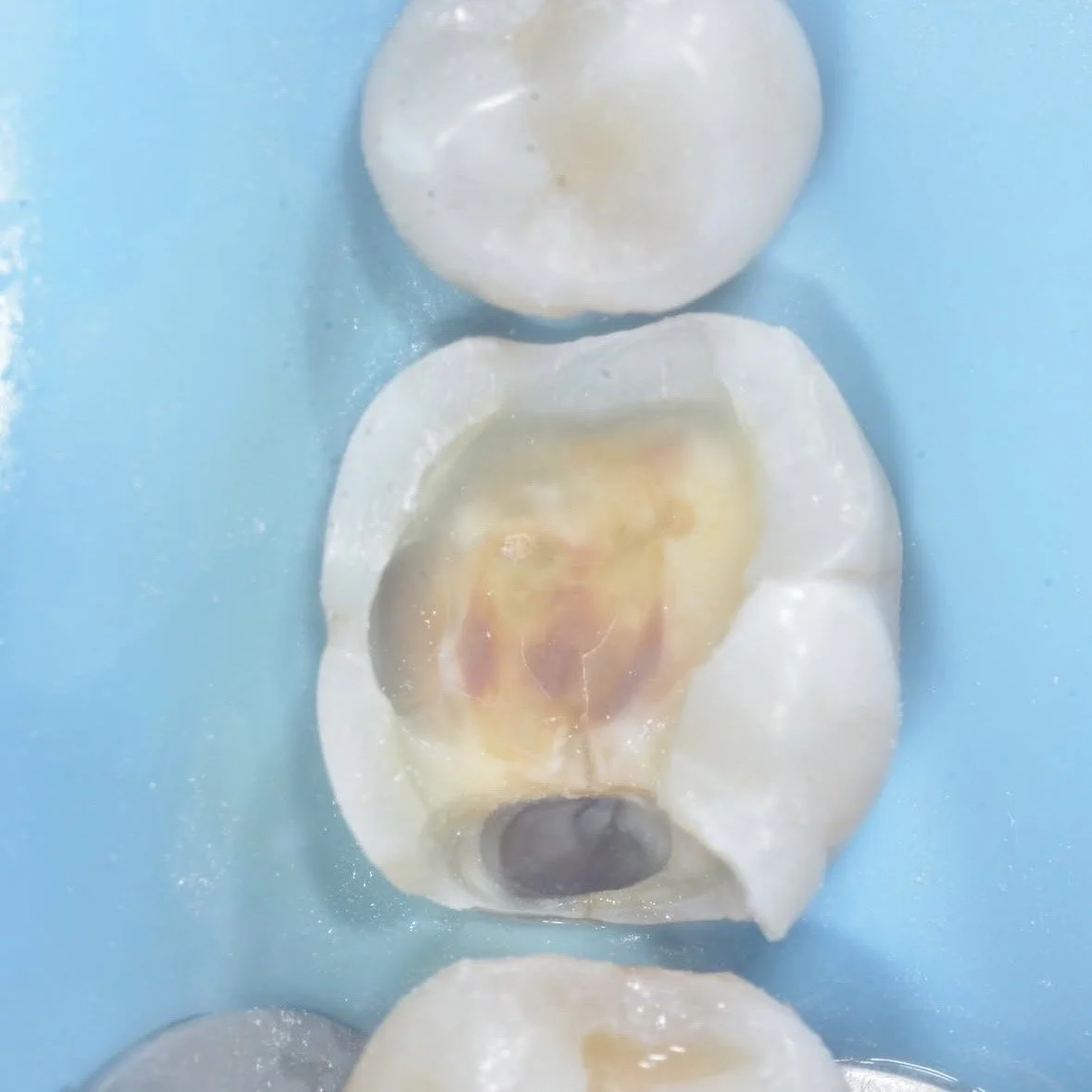
A crack is visible in this case, stained pink from caries detector dye. In this case the crack was removed fully around, but not into, the center of the tooth for two reasons:
The tooth’s nerve (pulp) lives in the center of the tooth. Drilling into this area and exposing the pulp can lead to infection and necrosis, requiring root canal therapy.
The most important bonding area is around the pulp. Think of a dome — it is very strong despite being hollow on the inside. A tooth functions in the same way around the pulp, so a stable, crack-free foundation in this area is important for a long-lasting restoration.
Bonding to your tooth
Teeth are made of enamel (hard outer shell of your tooth) and dentin (flexible, resilient inside). Dentin is difficult to bond to due to its high water content, especially in large cavities that are close to the pulp. We use materials that create bonds to dentin that have been shown to create strong bonds that do not to degrade over time (gold standard bonding systems as studied by researcher Bart Van Meerbeek) along with techniques that allow the bond to fully mature, creating the highest possible bond strengths.
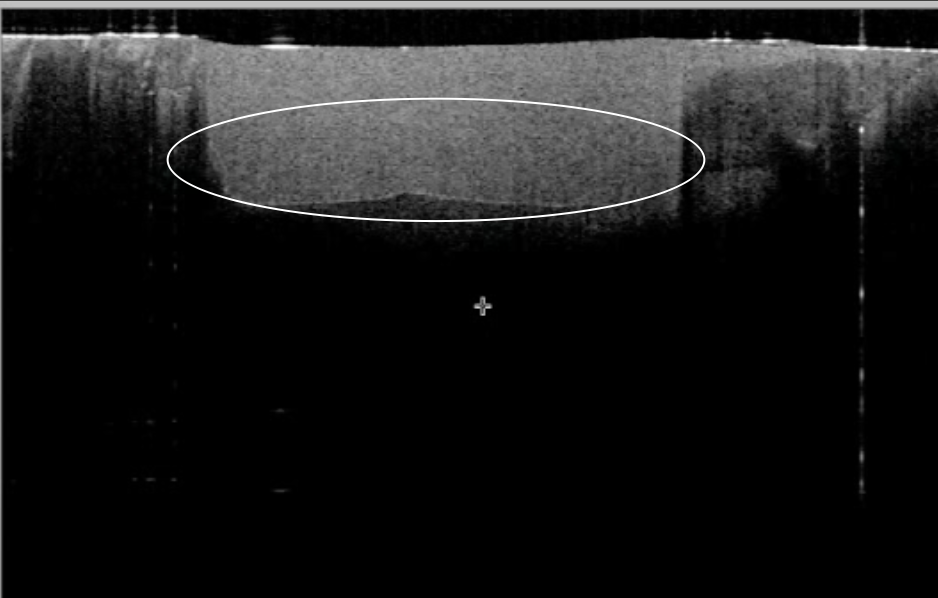
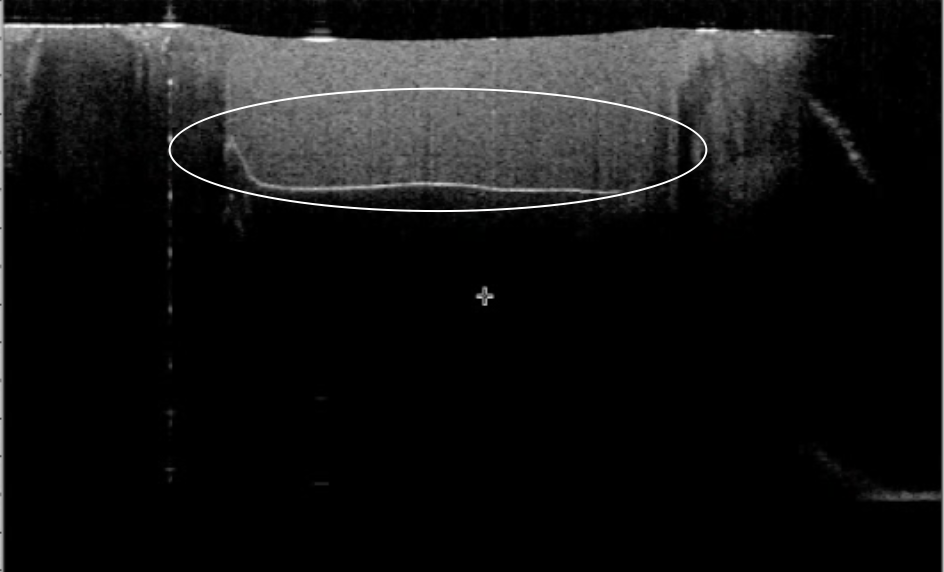
These images from a video in the study Hayashi J, et al. Real-Time Imaging of Gap Progress during and after Composite Polymerization. J Dent Res. 2017; 1-7 show adhesive failure. The first image shows composite placed in a restoration. The second shows the composite after it has been cured, the white line at the bottom showing a gap between the adhesive material and the tooth, which can cause the restoration to fall out or create sensitivity.
We use specific techniques that create a bond to your tooth without this gap, so the bond lasts longer and eliminates sensitivity.
Why do we call this biomimetic?
When Dr. David Alleman, DDS began a literature review of advanced adhesive protocols in 1998, his goal was to create longer lasting restorations with, new at the time, adhesive materials. Through his review, he found that restorations that mimicked natural teeth had the best long-term success.
This meant restored teeth would be:
Free from caries and cracks
Fully connected around the pulp — no gaps between the restoration and the tooth
By using the techniques he outlined from his literature review, he has had restorations last 20 years, and counting, free from symptoms and fully bonded.

This molar was restored by Dr. David Alleman, DDS over 20 years ago, still bonded and symptom free, just like a natural tooth.
Questions? Our Patient Care Coordinator, Sheila, will be happy to answer any questions about our treatment protocols and help you schedule an appointment. Contact her at office@allemandental.com or (801) 717-9860.